Semantic Scholar
Free AI academic search by Allen InstituteSearch papers by meaning, not just keywords
Highlights
What you can do with it
- Finding related papers for a research topic
- Checking what a given paper builds on
- Pulling paper data into an academic application
How to use it
- 1 Open the Semantic Scholar site
- 2 Search by topic, title, author, or paper
- 3 Use the filters and relevance cues to narrow results
- 4 Save or export the references you need
- 5 Use the API if you want to automate the lookup
Who it is for
Pros
- Free to use
- Semantic search surfaces related work keywords miss
- An API exists for programmatic access
Limitations
- Coverage is not complete in every field
- Metadata and abstracts can contain errors
- API access carries rate limits
What Semantic Scholar is
Semantic Scholar is a free AI-powered research tool from the Allen Institute for AI. It indexes and analyses scientific literature so that searching works on meaning rather than on exact wording, which helps when two papers describe the same idea using completely different vocabulary. Results come with relevance assessments so you can judge quickly whether a paper is worth opening. Full-text search and analysis are supported, and there is an API with developer tools for anyone building academic applications on top of the data.
What you can do with it
- Search and analyse full-text scientific papers
- Get relevance assessments to triage long result lists
- Follow a topic across papers that share meaning, not just terms
- Pull paper data into your own application through the API
Who it is for
- Researchers and graduate students doing literature work
- Writers building a reference list for a paper or review
- Developers creating academic search or research tooling
What to watch out for
Coverage is broad but not universal. Niche journals, conference proceedings, non-English publications, and very recent preprints can be missing or thin, so pair it with the databases your field actually relies on. Like any large automated index, metadata and extracted text can carry errors, so verify a citation before you quote it. API access is rate limited and intended for reasonable use, which matters if you plan a large crawl. Treat it as one strong source among several rather than a complete replacement. Name and archive exported files consistently so you can find and reuse them, and keep a backup copy of key data. When quality matters, export a small draft first to confirm the result before producing the final file.
FAQ
Who builds Semantic Scholar?
It is developed by the Allen Institute for AI.
How is it different from a normal academic search?
It reads the semantics of papers rather than matching keywords, and it gives relevance assessments.
Is there an API?
Yes, the description mentions API interfaces and developer tools for building academic applications.
Why it is free
What the official page says: 免费
Free limits, trial length and features are decided by the official site and can change at any time.
Product preview
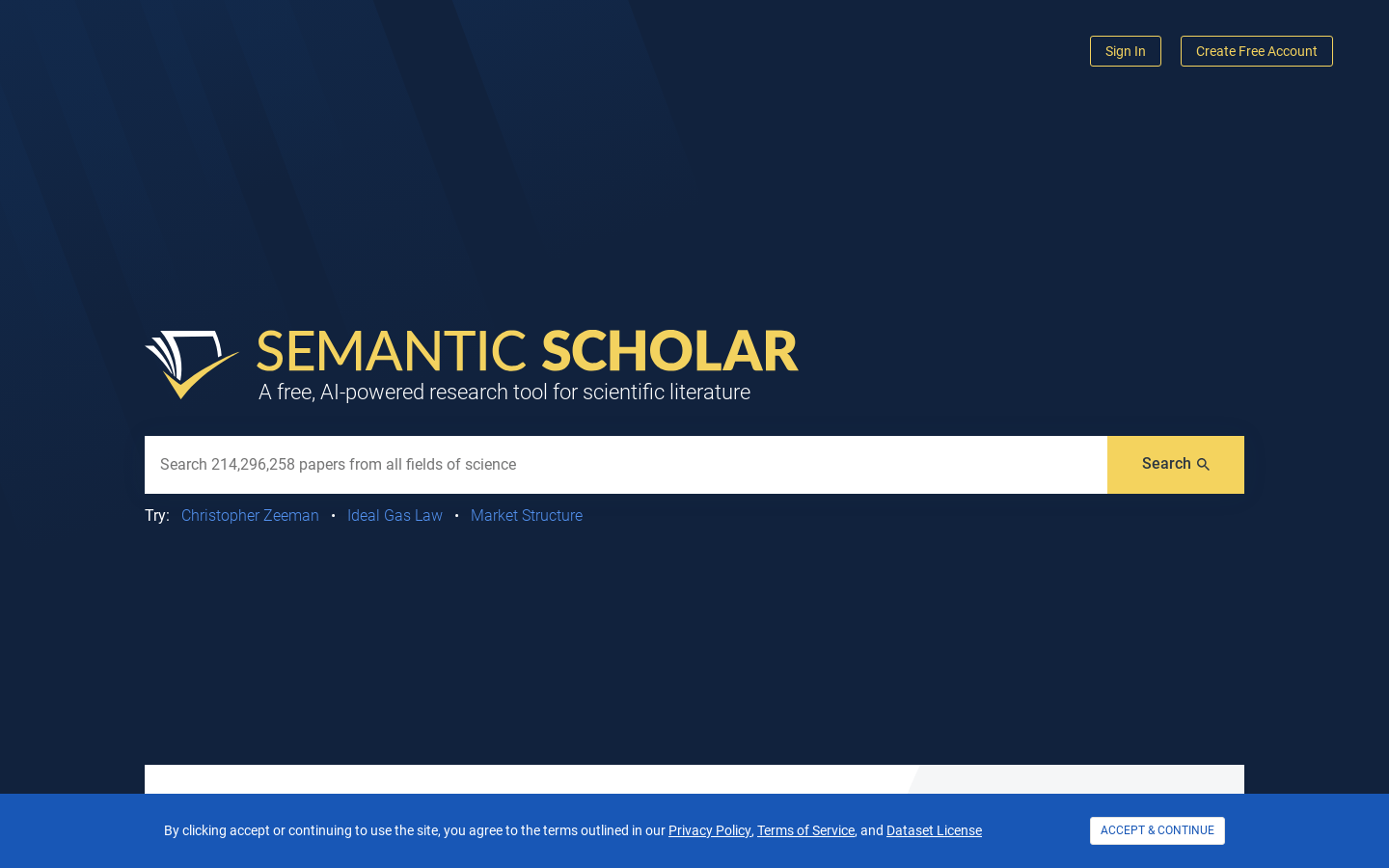
Screenshot archived from the listing page, for preview only.